
In construction, accuracy in quantity takeoffs doesn’t just affect individual project outcomes — it directly determines long-term profitability. A single miscalculation in material quantities compounds through every downstream decision: subcontractor pricing, bid submission, contract execution, and ultimately the margin left standing when the project closes out. Small errors don’t stay small. They travel.
Manual quantity takeoff methods introduce that risk at the source. Measurements re-entered across spreadsheets, material calculations built on outdated unit costs, and scope assumptions made without standardized verification — these aren’t edge cases in manual workflows. They’re structural features of a process that was never designed for the volume, complexity, or speed that modern commercial construction demands.
Digital solutions change the equation at every stage. Purpose-built material takeoff software eliminates the manual measurement bottleneck, automates quantity calculations directly from digital plans, and feeds accurate data into the estimating workflow without re-entry. The best estimating software for general contractors takes that foundation further — connecting precise quantity data to live cost databases, standardized bid packages, and integrated bid management workflows that turn accurate takeoffs into competitive, defensible bids.
The result isn’t just faster estimates. It’s a preconstruction process where accuracy compounds rather than erodes — where the numbers that enter the bidding workflow are the same numbers that protect your margin at award, at contract execution, and at project close.
The Real Price of Manual Quantity Measurement
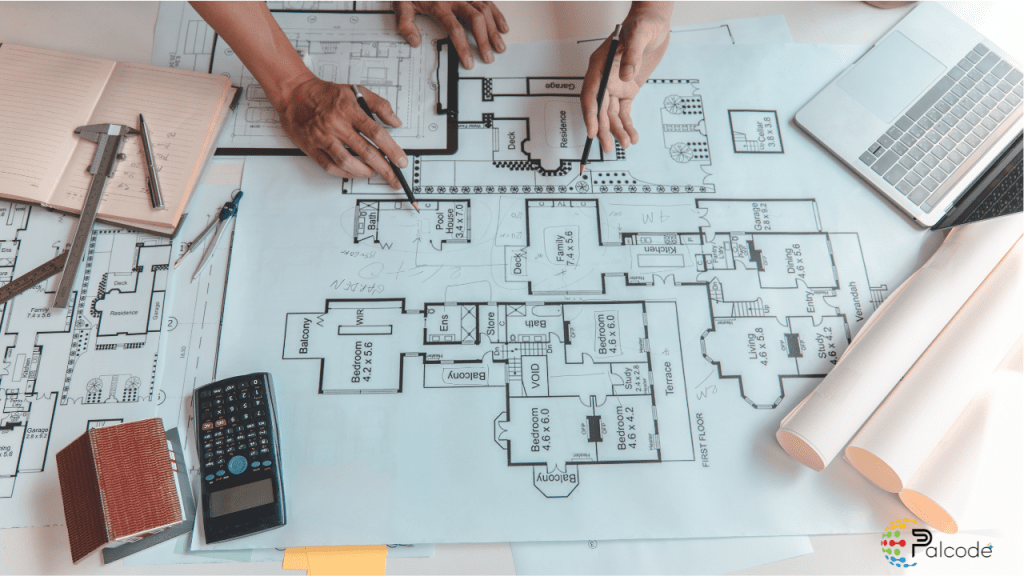
Manual contractor takeoff requires estimators to review blueprints and calculate quantities using rulers and calculators. This traditional approach causes several problems:
Time-Intensive Processes That Drain Resources
- Mid-sized projects need 15-20 hours of manual calculations
- Estimators spend 2-3 hours on single blueprint pages
- Slow takeoffs create bottlenecks in bid management software workflow
- Staff time is wasted on repetitive measurements
Human Error: The Persistent Challenge
Manual calculations introduce errors that hurt profitability:
- Manual methods typically have measurement errors of ±3-5%
- Critical items get overlooked on complex drawings
- Data entry errors occur when transferring to cost estimating software
- Plan details are misinterpreted, especially with poor-quality drawings
A project manager using general contractor bidding software shared: “We underbid a renovation by $75,000 due to one manual takeoff error. That mistake wiped out our profit margin.”
How the Best Construction Estimating Software Turns Takeoff Accuracy Into a Competitive Advantage
The most popular construction estimating software now includes digital takeoff capabilities. These systems offer key advantages over manual methods:
Speed and Efficiency Transformation
Best construction bid management software speeds up the QTO process:
- Upload plans and get measurements in 75-90% less time
- Construction bidding software automatically calculates quantities across trades
- Material takeoff software turns a day’s work into under 60 minutes
- Faster bid prep increases bid volume by 35-50% with the same staff
Precision Through Technology
Digital solutions deliver measurable ROI:
- Automated measurements reduce calculation errors by up to 95%
- Digital takeoff achieves ±1-2% accuracy vs. ±5-8% with manual methods
- Consistent results cut material waste by 5-12% on typical projects
- Standardized processes eliminate estimator-to-estimator variation
Real-Time Collaboration with Subcontractors
Subcontractor management software enables seamless coordination:
- Construction vendor management software lets team members work together
- Bid management software construction tools make updates visible to all stakeholders
- Digital annotations reduce RFIs by 25-30%
- Version control in construction execution software prevents costly misunderstandings
Scalability for Complex Projects
The best construction software for subcontractors and best subcontractor software excels where manual methods fail:
- Handle 10,000+ individual measurements without errors
- Manage multi-building projects with consistent methodology
- Process complex MEP systems using specialty contractor project management software
- Track quantities across phases with construction management software for small contractors
Choosing Construction Estimating Software That Actually Fits Your Preconstruction Workflow
With many options available, choose software carefully:
| Feature | Benefits | Implementation Considerations |
|---|---|---|
| Best cloud based construction management software | Access from anywhere, real-time updates | Internet reliability, data security |
| Residential remodeling estimating software | 80% faster takeoffs, 98% accuracy | 2-3 week learning curve |
| Cost estimating software with BIM | Direct quantity extraction from models | Compatibility with existing systems |
| Subcontractor project management software | Streamlined bid distribution | Trade partner adoption rates |
| All in one construction management software | Centralized data, integrated workflows | Data migration requirements |
How Contractors Are Winning More With Better Estimating Software
Construction firms using the best construction management tools see real results:
- Coastal Construction gained 20% better accuracy and 40% faster speed with digital takeoff
- A residential contractor cut estimating time from 3 days to 4 hours with residential remodeling estimating software
- Specialty trades increased win rates by 15% using the best construction software for subcontractors
- Small builders using small construction management software saved $45,000-65,000 annually
Stop Losing Margin to Manual Measurement
Ready to implement the best software for small construction business? Take these concrete steps:
- Assess your current process costs by tracking hours spent on takeoffs and error rates
- Research specialized solutions for your specific trade using project bidding software comparison tools
- Request demonstrations from vendors offering free construction bid management software trials
- Start with a defined pilot project to validate ROI before full implementation
- Invest in staff training to ensure adoption and maximize productivity gains
Frequently Asked Questions
Q: How difficult is the transition from manual to digital takeoff methods?
A: Most specialty contractor project management software offers intuitive interfaces with industry-standard terminology. Teams typically become proficient within 2-3 weeks and achieve full productivity within 45 days.
Q: Are digital solutions affordable for small construction businesses?
A: Yes, small construction management software is increasingly affordable with SaaS pricing models. Many best construction software programs start at $50-150 per user monthly with 300-500% ROI potential within the first year.
Q: What accuracy improvements can we expect from digital systems?
A: Leading material takeoff software solutions achieve accuracy rates of 95-98% for standard construction elements compared to 85-90% with manual methods. This translates to 5-8% material savings.
Q: What hardware do we need to run construction management software for small contractors?
A: The best construction bidding software runs on standard computers and tablets. You’ll need internet connectivity for cloud-based solutions but no specialized hardware is required.
Q: How can we track subcontractor performance with these systems?
A: Modern construction vendor management software includes compliance tracking, performance metrics, and quality control tools that integrate with your project management workflow.
As project margins continue to tighten, adopting the right software bid tools isn’t just recommended—it’s essential for survival. By overcoming the limitations of manual quantity measurement with purpose-built construction technology, you’ll improve accuracy, accelerate estimating processes, and deliver consistently profitable projects.