BIM & Digital Twin

AI Subcontractor

From 2 Weeks to 48 Hours: How AI Transformed Subcontractor Prequalification

A mid-sized general contractor ($120M annual revenue) specialising in urban mixed-use developments in the Northeast implemented an AI-powered trade partner research solution when expanding into a new metropolitan market. The technology reduced their subcontractor database development time from two weeks to 48 hours, verified 100% of contractor licenses automatically, increased subcontractor response rates from 20% […]

From 2 Weeks to 48 Hours: How AI Transformed Subcontractor Prequalification Read More »

AI-Powered Quantity Takeoff

The 90-Minute Drawing Challenge: AI-Powered Quantity Takeoff

In today’s fast-moving construction industry, preconstruction workflows still rely heavily on slow, manual estimating processes — especially when it comes to quantity takeoff. Estimators often spend hours reviewing construction drawings page by page to calculate material quantities, measurements, and scope requirements before a project can move forward. For many construction firms, the challenge is significant.

The 90-Minute Drawing Challenge: AI-Powered Quantity Takeoff Read More »

Bid Comparison

The Standardization Challenge in Bid Comparison: A Practical Guide​

Comparing subcontractor bids is one of the most time-consuming and error-prone parts of preconstruction. Every trade partner formats pricing, scope details, exclusions, and assumptions differently, making it difficult for estimators to perform accurate apples-to-apples comparisons. Without a standardized process, contractors risk missing scope gaps, accepting incomplete bids, and exposing projects to costly overruns and disputes.

The Standardization Challenge in Bid Comparison: A Practical Guide​ Read More »

subcontractor software

Best Software for Subcontractor Qualification​

The construction industry is under severe risk, especially when it comes to the management of subcontractors. Unqualified subcontractors cause variability in cost and schedule. Construction companies have started preferring subcontractor software tools that streamline processes such as subcontractor management, pre-qualification, and compliance monitoring to tackle these risks. This software ensures only qualified subcontractors are hired,

Best Software for Subcontractor Qualification​ Read More »

A trio of construction workers wearing hard hats and safety vests are gathered around a laptop, actively discussing construction RFIs (Requests for Information), ensuring efficient project collaboration.

Stop Managing RFIs Manually — Here’s How to Automate the Process in 5 Steps

In RFI construction management, the Request for Information (RFI) process plays a crucial role in ensuring clear communication and keeping projects on schedule. However, traditional manual RFI construction workflows often result in delays, missing documents, and inefficiencies that slow down project delivery. By automating RFI construction processes, teams can eliminate these challenges, improve response times,

Stop Managing RFIs Manually — Here’s How to Automate the Process in 5 Steps Read More »

Engineer in a white helmet using a tablet with text about RFI management tips.

RFI Management in Construction: Smart Tips to Control Costs

Cost management is critical to the success of any construction project, and effective RFI Construction plays a key role in keeping budgets under control. RFIs help clarify project details, align teams, and prevent costly misunderstandings. However, poorly managed RFI workflows often lead to delays, rework, and miscommunication—driving up overall project costs. In this guide, we’ll

RFI Management in Construction: Smart Tips to Control Costs Read More »

Two construction workers in safety gear review plans on a tablet in a wind farm. Text reads, RFI Construction 5 Tips to Avoid Delays.

5 Smart Tips to Keep RFI Workflows Moving in Construction

Construction RFI (Request for Information) is a critical process in construction management that keeps projects aligned and moving forward. It enables teams to clarify drawings, specifications, and on-site issues before they turn into costly mistakes. However, poorly managed RFI workflows often lead to delays, rework, and miscommunication. This guide breaks down what construction RFIs are,

5 Smart Tips to Keep RFI Workflows Moving in Construction Read More »

Subcontractor Agreement

Before You Sign That Subcontract — Here’s What Actually Matters

A Subcontractor Agreement in construction is a legal document that defines the rights, duties, and responsibilities of both the contractor and subcontractor. It ensures that both parties are aligned on expectations and helps prevent misunderstandings that can lead to delays, disputes, or financial losses. Without a properly structured agreement, subcontractors may face unexpected risks and

Before You Sign That Subcontract — Here’s What Actually Matters Read More »

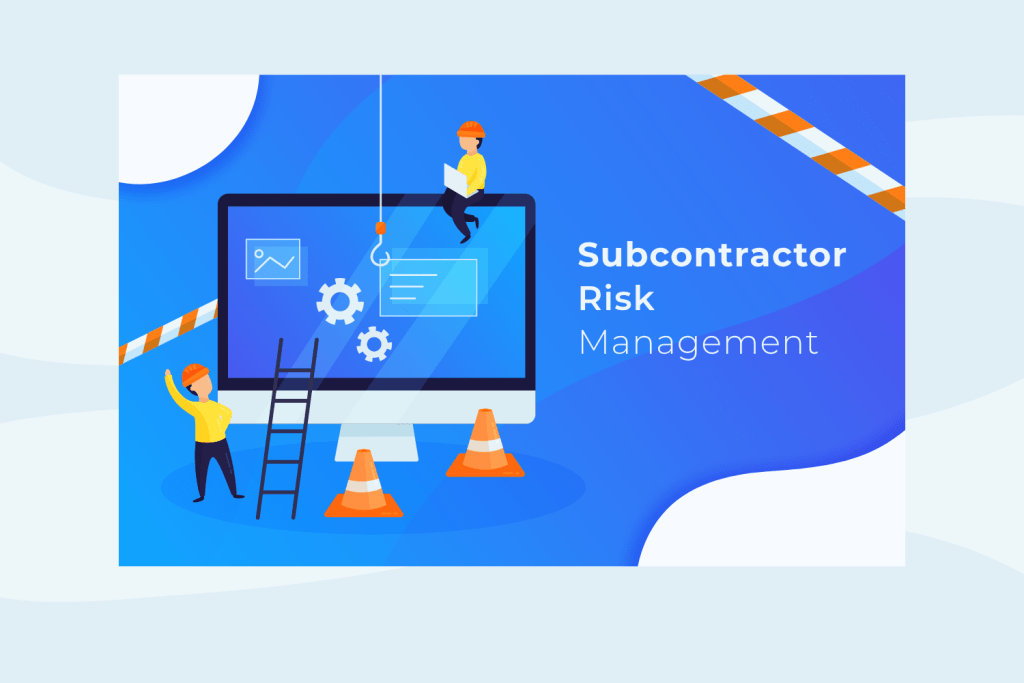
Subcontractor Risks

9 Ways to Minimize Subcontractor Risks

Construction projects depend heavily on subcontractors for specialized work, but subcontractor-related issues can quickly impact project timelines, budgets, and overall quality. Delays, financial instability, safety concerns, and poor workmanship can create significant challenges for contractors and project owners alike. Effective subcontractor risk management helps construction teams minimize disruptions, maintain compliance, and deliver projects successfully. By

9 Ways to Minimize Subcontractor Risks Read More »

Report on AI- Thinking : The Future of Construction Leadership! Get your free copy now

X
Scroll to Top

Book Your Demo

See exactly how Palcode automates the workflows slowing your team down — personalized to your tools and project types.

Your Info
COMPANY DETAILS
USE CASE

By submitting, you agree to our Privacy Policy and Terms. We'll never spam you.